
Top Applications of Gate Valves in Oil & Gas, Water, and Industrial Projects
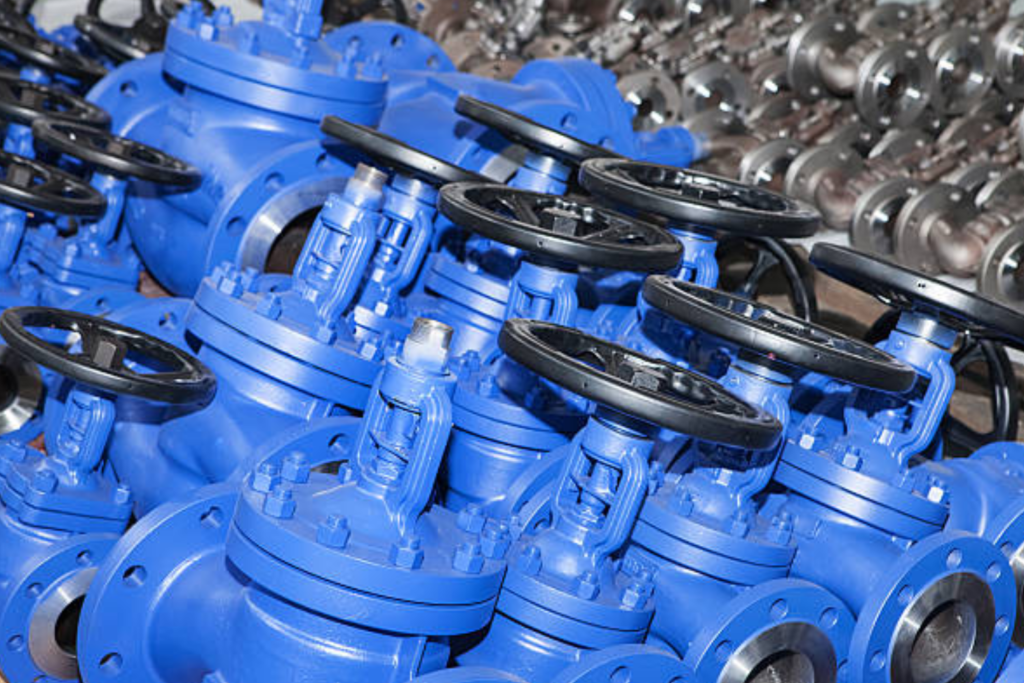
In industries where controlling the flow of liquids and gases is mission-critical, choosing the right valve can make all the difference. Among the many types available, gate valves stand out for their ability to provide a secure, full-bore shut-off in demanding environments. From oil & gas pipelines to municipal water networks and large-scale industrial plants, gate valves play a vital role in ensuring safety, reliability, and uninterrupted operations. Let’s explore the top applications of valve automation solutions and why they’re trusted across diverse industrial projects. What Is a Gate Valve? A gate valve is a type of valve that starts or stops the flow of fluid by moving a flat or wedge-shaped disc, called a gate, up or down. When the gate is fully raised, it allows full flow through the valve, with almost no resistance. This simple design makes it perfect for systems where free flow is needed. Due to this, gate valves are widely used throughout the world in various piping systems. Advantages of Gate Valves Minimal flow resistance tops the list. Zero pressure drop when fully open translates to lower pumping costs and energy savings across long pipelines or multi-story systems. Bidirectional capability simplifies installation and system design. Flow works in either direction, providing flexibility during construction and reducing confusion during maintenance. Reliable shut-off from quality gate valve suppliers ensures bubble-tight sealing, preventing product loss and ensuring safety when isolating hazardous materials. Compact design matters in congested plant layouts where every inch counts, reducing piping stress and making installations cleaner. Long service life with minimal maintenance explains why you’ll find gate valves installed decades ago still performing reliably. Advanced valve automation solutions enable remote operation from control rooms or automatic response based on process conditions, making gate valves even more valuable. Applications of Gate Valves in the Oil & Gas Industry The oil and gas industry runs under high pressure, uses harsh fluids, and requires high safety standards. Gate valve automation solutions are a key part of this setup. Upstream (Drilling and Production): On drilling rigs and at wellheads, gate valves help control pressure, stop flow, and direct oil, gas, and water where needed. A tight shut-off is vital for safety and well control. Midstream (Pipelines): Long-distance pipelines move crude oil, gas, and products across huge areas. Gate valves are used as block valves to divide sections for repairs, inspections, or in case of emergencies. Oversized gate valves with automated systems are commonly used here. Downstream (Refining and Processing): In refineries and chemical plants, gate valves isolate vessels, reactors, and tanks. They handle hot, corrosive, or heavy fluids. It’s important to get valves from trusted gate valve suppliers that meet high industry standards. Automation also helps improve safety and operations. Applications of Gate Valves in the Water Industry Gate valves in the water sector help regulate flow and maintain smooth water movement throughout the system. Municipal distribution networks: Utilize gate valves throughout their systems for isolation during repairs, while maintaining an uninterrupted supply to neighborhoods. Resilient-seated gate valves provide reliable shutoff for 50+ years. Industries now upgrade key locations with valve automation solutions for rapid response during main breaks. Water treatment plants: Utilize gate valves extensively across intake structures, clarification basins, filter beds, and storage facilities. Applications demand reliability and resistance to chlorine and treatment chemicals, driving material selection toward bronze, stainless steel, or epoxy-coated carbon steel. Wastewater facilities: These handle corrosive sewage and solids, requiring robust designs. Many facilities source from both gate valve suppliers and check valve suppliers for comprehensive flow control. Irrigation systems: Used to serve thousands of acres, use gate valves for zone control and mainline isolation, prioritizing cost-effectiveness and long service life. Desalination plants: Processing seawater creates extreme corrosion challenges requiring super duplex stainless steel. High-pressure reverse osmosis systems benefit from gate valves’ minimal pressure drop, reducing energy costs. Applications of Gate Valves in General Industrial Projects Besides the oil, gas, and water sectors, gate valves are used in many other industrial jobs, playing a key role in maintaining efficient and safe operations across various applications. Power Plants: In power generation, gate valves manage steam, cooling water, or fuel flow. They shut off sections of boilers, turbines, and cooling systems for maintenance or safety. Special designs are needed for very high temperatures and pressures. Mining and Minerals: These operations handle harsh slurries and chemicals. Strong gate valves are used to isolate lines moving ore, tailings, or water, especially when lined with special materials. Manufacturing and Chemicals: Factories use gate valves to move raw chemicals, liquids, and steam. Their strong build and ability to handle corrosive fluids make them a favorite. In many cases, valve automation systems help control these valves from a distance. Reliable gate valve suppliers are critical for this work. Factors to Consider When Selecting Gate Valves Choosing the right gate valve ensures good performance and safety, helping your system run smoothly and avoid costly issues. The key factors include: Material Match: The valve must be made from materials suitable for the fluid and the environment. Common options include iron, steel, and special alloys. Pressure and Temperature Limits: Make sure the valve can handle the system’s pressure and heat. How It’s Operated: Some valves are opened by hand, while others use electric, pneumatic, or hydraulic actuators. This is important for systems needing automation. Connection Type: The type of connection used depends on the pressure rating and pipe design, which can be flanged, threaded, or welded. Standards and Approval: Valves must meet industry standards like API, ASME, or AWWA. Trusted suppliers will provide certified products. Future Trends in Gate Valve Applications Gate valves are evolving to meet new challenges in safety, control, and performance, ensuring they stay reliable and efficient in increasingly complex industrial systems. Smart Valves: Using sensors and Internet of Things (IoT) tech, valves can now track pressure, position, and leaks in real time, helping prevent failures and improve maintenance. New Materials: Stronger metals and composites are being used to handle extreme heat, pressure, or corrosion. More Automation:
The Importance of Pipe Coating Services in Industrial and Oil & Gas Projects
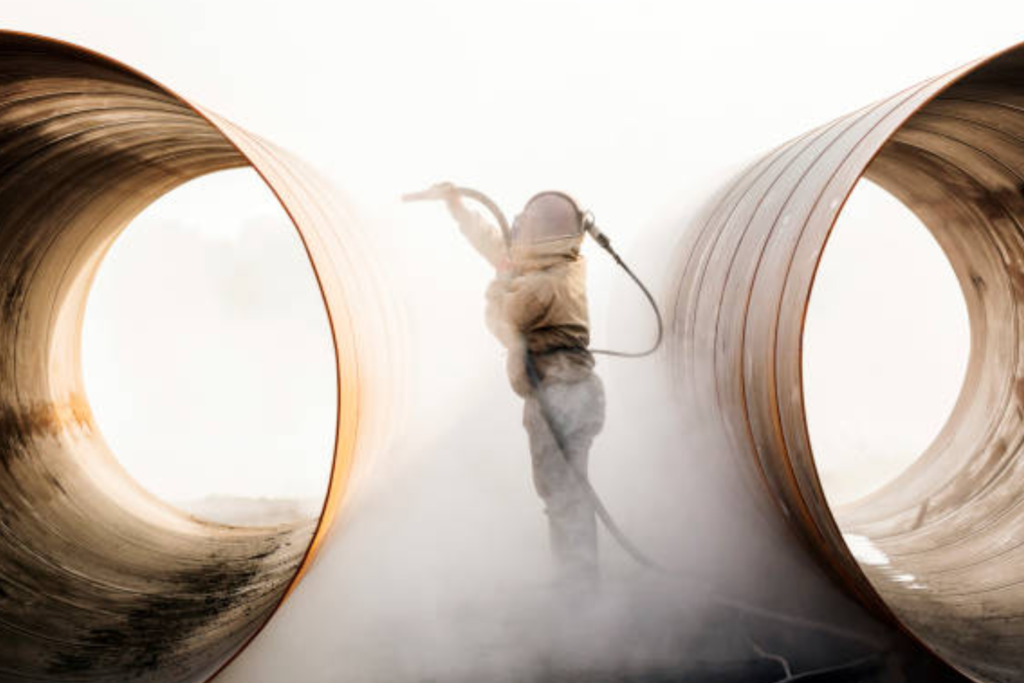
Why does pipe coating matter in industrial and oil & gas projects? When pipelines fail, the impact is massive, production halts, emergency repairs pile up, cleanup costs rise, and safety issues damage your reputation. Yet many industrial facilities overlook a simple solution that could prevent up to 80% of these failures: using the right pipe coating. Whether you’re buying materials from pipe suppliers for a new project or maintaining existing systems, understanding pipe coating services is not optional, it’s essential for protecting your investment, ensuring safety, and avoiding expensive downtime. Let’s explore why pipe coating matters and how it directly affects your profits. What Are Pipe Coating Services? Pipe coating services apply protective layers to the inside or outside surfaces of pipes used in industrial operations. These coatings act as shields against harsh conditions pipes face daily, corrosive chemicals, extreme heat, moisture, soil, and physical damage. Professional pipe coating services include: Surface Cleaning: The pipe surface gets cleaned through blasting or chemical treatment to ensure the coating sticks properly. This removes rust, dirt, and anything that would weaken coating performance. Coating Application: Special coatings are applied using spray, brush, or wrapping methods. Common types include epoxy, polyurethane, and fusion-bonded coatings. The choice depends on where and how the pipe will be used. Quality Checks: Professional pipe coating services measure thickness, test adhesion, and check for coating gaps or defects to ensure complete protection before pipes go into service. Curing and Finishing: Coatings cure under controlled conditions to achieve maximum hardness and protection. Some need heat while others air dry. When working with pipe suppliers and pipe flange suppliers, ask about their coating abilities and standards. Quality coating needs specialized equipment, trained workers, and adherence to industry standards. Why Pipe Coating Is Critical in Industrial Projects Industrial facilities face unique challenges that make pipe coating services essential: Stops Corrosion: Industrial processes often use corrosive substances, acids, chemicals, and solvents. Without proper coating, pipes corrode from the inside out, causing leaks and system failures. Replacing corroded piping costs 10-15 times more than preventive coating. Longer Equipment Life: Coated pipes last significantly longer, often 20-30 years, compared to 5-10 years for uncoated pipes in harsh conditions. This longer life reduces replacement needs, cutting production disruptions and big expenses. Handles Temperature: Many industrial operations involve hot fluids or steam. Special pipe coating services provide heat barriers that protect pipe strength and keep processes efficient. Temperature changes without coating cause metal wear and early failure. Chemical Protection: Industrial lubricants, hydraulic fluids, and process chemicals can damage unprotected pipes. Quality coatings from experienced pipe suppliers ensure chemical resistance matched to your specific fluids, preventing contamination and keeping products pure. Lower Maintenance Costs: Coated pipes need less frequent inspection and maintenance. The protective layer reduces cleaning needs and prevents buildup that blocks flow. Maintenance teams spend less time on pipe repairs. Safety and Rules: Many industrial laws require corrosion protection systems. Proper pipe coating services help facilities meet safety codes, environmental rules, and insurance needs while protecting workers from dangerous leaks. Importance in Oil & Gas Projects Oil and gas operations face extreme conditions that make pipe coating services absolutely critical: Offshore and Ocean Use: Saltwater causes aggressive corrosion. Offshore pipelines need advanced coating systems that resist water and damage. Quality pipe coating services provide multi-layer protection designed for ocean conditions. High-Pressure Work: Oil and gas move under extreme pressures. Any coating failure at high pressure creates dangerous situations. Professional pipe coating services ensure coatings can handle operating pressures without cracking or peeling. Underground Protection: Buried pipelines face corrosion from soil moisture, minerals, and bacteria. External pipe coatings extend the life of underground pipelines. Selecting pipe suppliers who understand soil conditions ensures the proper selection of coating. Oil and Gas Resistance: Crude oil, natural gas, and refined products contain compounds that attack unprotected steel. Internal coating systems prevent corrosion and keep flow efficient by stopping wax and scale buildup. Extreme Temperatures: Oil and gas operations span from arctic cold to desert heat. Coatings must work across temperatures from -50°C to 150°C or higher. Professional coating services pick materials matched to your climate. Long Pipelines: Major pipeline projects represent massive investments. Any section failure requires expensive digging, repair, and downtime. Complete pipe coating services protect these assets throughout their 30-50-year life. Meeting Rules: Oil and gas operations face strict environmental and safety laws. Proper coating records from certified pipe coating services show compliance and reduce legal risks. Factors to Consider When Choosing Pipe Coating Services Picking the right provider requires checking several important factors: Certifications: Look for pipe coating services certified to relevant standards. Certified providers follow proven methods and maintain quality control. Coating Types: Different jobs need different coatings. Your provider should offer multiple coating systems and guide you to the right choice for your needs. Works with Pipe Suppliers: Ideally, work with suppliers who coordinate between pipe making and coating application. Some pipe flange suppliers also offer complete coating services, making buying easier. Testing: Professional pipe coating services include thorough testing, checking adhesion, finding gaps, measuring thickness, and quality checks. Ask about their testing processes and paperwork. Experience Level: Can they handle your project size? Small repairs and major pipelines need different capabilities. Check they’ve successfully completed projects similar to yours. Expert Help: Quality pipe coating services offer engineering support, helping choose appropriate coatings and providing application guidelines. This expertise prevents costly mistakes. Speed: Coating delays can hold up entire projects. Discuss timelines and their ability to meet your schedule. Some providers offer rush services for urgent situations. Guarantees: What promises do they make? Good pipe coating services back their work with warranties covering coating failure due to application problems. Additional Benefits of Pipe Coating Services Beyond basic corrosion protection, professional coatings deliver extra value: Better Flow: Smooth internal coatings reduce friction, improving flow rates and cutting pumping costs. In lubricant systems, this means energy savings and better performance. Prevents Contamination: Internal coatings stop rust particles from contaminating fluids. This matters for industrial lubricants, where
Essential Equipment Used in the Oil and Gas Industry

The oil and gas industry is propelled by technology and specialized equipment that moves progress from the drilling rig to final distribution. Whether it’s a drill rig or drill bits, the oil and gas industry depends on reliable equipment at every step in the process. As we examine the essential equipment for oil and gas, we are investigating not only the essentiality of that equipment, but the ways that innovations are still impacting a very changeable industry. Overview of the Oil and Gas Industry The oil and gas sector is the foundation of the global energy supply. Within this sector, we have exploration, drilling, production, refining, and retail distribution. Every segment depends on a variety of tools to locate and extract oil and gas, from deep reservoirs or refining crude oil into usable fuel. Due to the numerous complexities, costs, and risks built into the organization, dedicated implementation will be necessary to benefit effectively and safely. The oil and gas industry is the backbone of many industries and supports large-scale operations within onshore and offshore fields. Drilling Equipment Drilling marks the beginning of every project. Without effective tools, accessing reserves would be nearly impossible. Companies depend on robust drilling tools that oil and gas operations use daily to penetrate challenging rock formations and handle high-pressure conditions. Some of the most important equipment for oil and gas includes: Rotary drilling rigs – Large machines that drill deep into the earth. Drill bits – From roller-cone to diamond bits, designed for durability and precision. Mud pumps – Circulate drilling fluids that cool the drill bit and stabilize wells. Blowout preventers – Protect against sudden pressure surges, preventing accidents. Modern drilling tools that oil and gas companies adopt also integrate digital monitoring systems, reducing downtime and improving safety. Production Equipment Once oil or gas has been located, the next step is production. Here, specialized systems manage the separation and treatment of resources. Production equipment includes: Separators – Divide crude oil, natural gas, and water. Heaters and treaters – Remove impurities for smoother processing. Artificial lift systems – Pumps that boost production when reservoir pressure drops. The right processing tools prepare raw oil and gas for the next step in production. Without these machines, the extraction process would slow down and costs would climb. Processing Equipment Processing takes crude oil and raw natural gas and changes them into products we can use, like gasoline, jet fuel, or liquefied natural gas. These units are complicated and must work at enormous scales while following strict environmental laws. Here are a few key machines you’ll find at this stage: Compressors – These machines reduce gas volume, making it smaller and easier to store or ship. Dehydrators – These remove water, which helps protect pipelines from rust and corrosion. Desulfurization units – Remove harmful sulfur compounds to ensure cleaner, safer processing. Heat exchangers – These units control temperature to keep the refining run smooth and efficient. The processing stage depends on some of the highest-tech gear in the oil and gas industry, keeping both safety and fuel quality at the highest level. Transportation and Storage Equipment After processing, oil and gas must be delivered to markets worldwide. This stage requires large-scale infrastructure and heavy-duty systems. Transportation and storage solutions include: Pipelines – The most cost-effective way to move resources across continents. Marine tankers – Carry crude and refined products across oceans. Storage tanks – Designed to handle vast volumes of oil and crude safely. Terminals – Strategic hubs where energy is collected and sent out to different areas. Transportation equipment for oil and gas ensures global energy demand is met efficiently while keeping resources secure. Safety and Monitoring Equipment Safety is essential, proven by the fact that oil and gas use flammable and high-pressure products. Due to the high risk of working with oil and gas, current operations are making significant investments in monitoring equipment to protect their workforce, capital, and the environment. Gas detectors – Provide advanced warning of gases leaking from wells, pipelines, storage tanks, and distribution lines. Fire suppression systems – Designed to quickly control and contain hazardous materials and fires, minimizing damage and keeping operations safe. Supervisory Control and Data Acquisition systems (SCADA) – Provide real-time monitoring of various products during the oil and gas process. Emergency shutoff valves – Automatic isolation of parts of pipelines. Given the risks of extracting oil and gas, safety equipment is as important as extraction equipment. It is the “safety” aspect of one of the project management steps designed to minimize risk for projects. Maintenance and Support Equipment Maintenance is often seen as the forgotten portion of the industry. Heavy equipment undergoes extreme stress, making maintenance crucial for keeping up with it. Support equipment can keep machinery going longer and allow for more downtime. Cranes and hoists – Used to move heavy objects during equipment repairs. Hydraulic torque wrenches – Deliver precise control and a secure fit when tightening large bolts. Ultrasonic testing devices – Spot cracks, flaws, or hidden weaknesses before they become serious issues. Cleaning systems – Chlorination prevents blockages or buildup inside pipelines, to keep the operations smooth. Maintenance equipment for oil and gas may not be glamorous, but it is a necessary part of our daily routine. Technological Advancements in Oil and Gas Equipment The industry has recently become more accepting of technology; for instance, automation, robotics, and AI-based systems are being employed in everything from research to drilling tools. The use of digital “virtual replicas” of physical items also allows engineers to replicate performance and track failures. The ability to track wells and pipelines with sensor technologies has allowed engineers to analyze data in real-time, which is extremely valuable for environmental impact reduction. These new areas of technology will generally provide more efficient work and, in addition, provide greater safety and sustainability for oil and gas activity. The future is smart, green, and reliable technology. Wrapping Up! The exploration and production of oil and gas are not simple; they consist of many
What Is Upcycling Technology and How It’s Changing Waste into Value

Every industrial facility faces the same problem: piles of used lubricants, dirty oils, and waste products that cost money to store and throw away. What if those drums of waste oil could become high-quality oil again? What if your plastic waste could turn into fuel? This is exactly what upcycling technology does. Unlike regular waste management, which just gets rid of waste, upcycling technology turns your industrial waste into products that are just as valuable, or even more valuable, than the original materials. This means turning expensive waste problems into money-making opportunities while helping the environment. Now, let us understand in detail about upcycling technology and how it is transforming waste into value. What Is Upcycling Technology? Upcycling technology is a better way to handle waste that goes beyond simple recycling. Regular recycling breaks down materials to make lower-quality products. But upcycling technology uses special chemical and heating processes to turn waste into new products that are equal to or better than the original. For industrial lubricants, this means turning used oil into fresh, clean base oil and or changing old tires into high-quality fuel oil. The big difference is keeping value, upcycling keeps or improves the material’s worth instead of lowering it. For industrial businesses, upcycling technology solves a major headache, such as growing amounts of dangerous waste that cost a lot to store, move, and dispose of safely. Instead of seeing waste oils as problems, upcycling technology treats them as valuable resources waiting to be used again. How Upcycling Technology Works Upcycling technology uses different methods depending on the type of waste: Chemical Cleaning: Used lubricating oils go through special chemical treatments that remove dirt, additives, and damaged parts. Modern separation methods pull out the good oil from sludge, metals, and worn-out compounds. The result is a clean base oil that matches or beats fresh oil quality. Heat Processing: For materials like used tires and plastic waste, a process called pyrolysis heats them up without oxygen. This breaks down complex plastics into useful fuel oils and chemicals. These systems work at exact temperatures to get the best results while using less energy. Physical Separation: Oil-water separation systems use gravity and filters to recover both clean water and oil. These systems handle dirty industrial wastewater from factories, shipping, and oil operations. Final Processing: The last step adds any needed extras to create ready-to-sell products. Cleaned base oils get performance boosters, recycled plastics are shaped for manufacturing, and recovered oils become industrial fuels or lubricants. Applications of Upcycling Technology Industries are using upcycling technology in many ways: Used Oil Renewal: Factories using hydraulic oils, gear oils, and engine lubricants create lots of used oil. Upcycling technology converts these spent lubricants into clean base oils good enough to make premium lubricants again. This saves money on buying new oil and disposal costs. Tire Processing: Businesses with vehicle fleets collect used tires that usually go to dumps. Modern upcycling technology turns these into Tire Derived Oil, a cleaner fuel, plus recovered carbon black and steel, creating income from waste. Plastic Conversion: Manufacturing plants with plastic waste can now use upcycling technology to convert it into oil or quality polymers. This tackles plastic waste while providing raw materials for production. Industrial Sludge Treatment: Oil refineries, chemical plants, and factories produce sludges with recoverable oils. Upcycling technology pulls out these valuable parts while cleaning the remaining waste to meet environmental rules. Metal Recovery: Electronic waste and industrial leftovers contain valuable metals. Advanced systems extract these resources instead of sending them to dumps. Benefits of Upcycling Technology Companies using upcycling technology see real advantages: Lower Costs: Cutting down on waste disposal fees results in instant savings. Busy facilities can significantly reduce costs each year by lowering hazardous waste output. Producing materials in-house also cuts expenses related to purchasing new lubricants and raw materials. New Income: Upcycled products create new money streams. Renewed base oils sell at good prices. Recovered oils, plastics, and metals have ready buyers. Some facilities change from waste producers to suppliers. Meeting Rules: Stricter environmental laws make waste management harder and more expensive. Upcycling technology helps facilities meet requirements, avoid fines, and show environmental care to regulators and partners. Green Goals: Company sustainability promises need real waste reduction numbers. Upcycling technology provides clear metrics, tons kept out of dumps, new materials replaced and carbon reduced, which support environmental reports and green certifications. Supply Security: Supply problems have shown the risks of depending only on new materials. Local upcycling technology creates backup sources for important lubricants and industrial materials, making operations more stable. Better Reputation: Industrial clients increasingly prefer working with environmentally responsible suppliers. Using upcycling technology strengthens your market position and opens opportunities for green contracts. Challenges in Upcycling Technology Despite clear benefits, companies face some hurdles: Starting Costs: Advanced upcycling systems need significant money upfront. Smaller operations may struggle without clear return calculations. However, many providers now offer equipment leasing or partnerships that lower initial costs. Technical Know-How: Running upcycling technology needs special knowledge. Staff training and quality control require ongoing investment. Facilities must choose between building expertise or partnering with specialized waste management providers. Steady Supply: Upcycling works best with consistent waste. Facilities with a variety of waste types may face challenges. Proper waste sorting and storage become important. Quality Control: Upcycled products must meet industry standards. Renewed lubricants need extensive testing to ensure they work as well as fresh products. Market Acceptance: While demand for sustainable products grows, some industries remain careful about using upcycled materials. Building customer trust requires clear quality proof. The Future of Upcycling Technology The outlook for upcycling technology looks bright. Several trends are speeding up adoption: Smart technology and computers are improving upcycling processes, getting better results while using less energy. Sensors monitor waste in real-time, automatically adjusting for best efficiency. Smaller, flexible upcycling systems are appearing, letting smaller operations use technology that was only possible for large facilities before. Mobile units can serve multiple sites. Shared approaches are growing, industrial areas are
Different Types of Ball Valves and Their Industrial Applications

What keeps everything flowing in massive factories, oil rigs, or treatment plants? It often comes down to something as simple as a ball valve. These small components do big work controlling pressure, flow, and safety with quiet precision. That’s why choosing the right ball valve suppliers is key to keeping your operations running without a hitch. Ball Valves: What They Are and How They Work A ball valve has a round ball with a hole through the center and a handle to control it. When you turn the handle, the ball rotates to either allow flow or block it. It’s a simple and reliable option for industries that need a quick shut-off without affecting pressure. The Different Types of Ball Valves As the saying goes, “There is no one size fits all”. Every business requirement is different, for example, tighter control over pressure, better maintenance, or streamlined control over flow. Floating Ball Valves: The Go-To for Everyday Control Floating ball valves are used in homes, small plants, and utility systems. They’re perfect for low to mid-pressure jobs and are known for their reliability. The ball inside “floats” against the seat using line pressure to create a tight seal, simple, effective, and easy to maintain. Trunnion-Mounted Valves: Built for the Tough Stuff Trunnion-mounted ball valves are built for serious pressure. Instead of floating, the ball is fixed at both ends, which takes the stress off the seats. That means they can handle high-pressure flows in industries like oil and gas without leaking or wearing down fast. Full Port vs. Standard Port: What’s the Difference? Full Port: The ball opening matches the pipe size, so nothing slows the flow. Standard Port: Slightly smaller opening, often more compact and budget-friendly. Need maximum flow for a clean process? Go full port. Want something smaller and cost-effective? Standard port gets the job done. One-Piece, Two-Piece, or Three-Piece? Choosing the Right Build One Piece: Low-maintenance and affordable, but cannot be serviced. Two Piece: Easier for installation, harder for disassembly. Three-piece: Designed for your convenience; clean or replace the middle section without having to remove the entire valve. Good ball valve suppliers will help you match the build type to your system’s maintenance routine and pressure demands. Specialty Ball Valves That Do More Than Just On/Off Some jobs need more than basic open-or-close flow. That’s where specialty designs come in, offering finer control and easier servicing. V-Port and Multi-Port Valves: Precision in Every Turn These valves are ideal for controlling the flow rate and mixing. V-port valves are better for gradual flow increase, and multi-port valves, like 3-way or 4-way valves, can divert flow in multiple ways without the need for additional components. Top Entry Valves: Easy Maintenance Without the Hassle A technician will never have a hard time dealing with top-entry ball valves. They can be inspected and repaired while still affixed to the pipeline. This reduces the time from fixing the valves, so they are extremely useful for industries where every minute of production matters. Metal vs. Soft Seats: Picking the Right Seal for the Job Metal seats handle heat, abrasion, and pressure like a champ. Soft seats (like PTFE) offer a tight seal and chemical resistance but aren’t built for high heat. Not sure what your system needs? A conversation with knowledgeable ball valve suppliers can save you from a costly mismatch. Where They Work: Ball Valves Across Industries Ball valves show up in more places than you’d expect. Each industry has different demands, and there’s a valve built for all of them. Oil & Gas: High Stakes, High Pressure Extreme pressure and temperature? No problem, trunnion-mounted and metal-seated valves take the heat, literally. They’re built for performance in environments where safety is everything. Chemical Industry: When Corrosion Is the Enemy Handling aggressive chemicals means you need valves made from corrosion-resistant materials. The right ball valve suppliers will offer valves built to survive acid, alkalis, solvents, and more without failing unexpectedly. Water & Wastewater: Flow Control You Can Rely On Treatment facilities and municipalities have unique challenges that demand cost-effective solutions. Floating ball valves are a popular choice due to their low maintenance, reliability, and affordability. Food & Pharma: Clean, Safe, and Sanitary For industries where hygiene is non-negotiable, stainless steel sanitary valves are the gold standard. They’re easy to clean, resist buildup, and often support CIP (clean-in-place) systems to keep things moving safely. How to Choose the Right Ball Valve (Without Guesswork) Here’s a simple guide to help you decide: What’s flowing through it? Chemical? Steam? Water? How much pressure? Not all valves can handle high loads. How clean does it need to be? Food and pharma demand different specs. Do you need to take it apart? Then a top-entry or three-piece might be best. How often will it be used? Some valves are built for thousands of cycles. Experienced ball valve suppliers can guide you through the decision, making sure you pick something that lasts and works the way you need it to. What Not to Do: Common Ball Valve Mistakes Even the best valves fail if they’re used the wrong way. Here are a few slip-ups to avoid: Picking the wrong seat for high temperatures or harsh chemicals. Using a standard port where full flow is needed. Forgetting to check pressure ratings. Skipping regular maintenance. Relying on unverified ball valve suppliers who don’t understand your industry. These errors can lead to downtime, leaks, or even safety hazards. A little planning goes a long way. Choose Smart, Flow Smoothly Choosing a ball valve seems simple, but it can be a complicated process. It is not only about fluid flow; performance, safety, and your peace of mind are vital. Whether you need precise control and shutoff, or a fighter valve that can withstand pressure, rely on ball valve suppliers that understand your industry. Because when your flow is right, everything else will be in line.
Essential Equipment Used in the Oil and Gas Industry

The oil and gas industry is propelled by technology and specialized equipment that moves progress from the drilling rig to final distribution. Whether it’s a drill rig or drill bits, the oil and gas industry depends on reliable equipment at every step in the process. As we examine the essential equipment for oil and gas, we are investigating not only the essentiality of that equipment, but the ways that innovations are still impacting a very changeable industry. Overview of the Oil and Gas Industry The oil and gas sector is the foundation of the global energy supply. Within this sector, we have exploration, drilling, production, refining, and retail distribution. Every segment depends on a variety of tools to locate and extract oil and gas, from deep reservoirs or refining crude oil into usable fuel. Due to the numerous complexities, costs, and risks built into the organization, dedicated implementation will be necessary to benefit effectively and safely. The oil and gas industry is the backbone of many industries and supports large-scale operations within onshore and offshore fields. Drilling Equipment Drilling marks the beginning of every project. Without effective tools, accessing reserves would be nearly impossible. Companies depend on robust drilling tools that oil and gas operations use daily to penetrate challenging rock formations and handle high-pressure conditions. Some of the most important equipment for oil and gas includes: Rotary drilling rigs – Large machines that drill deep into the earth. Drill bits – From roller-cone to diamond bits, designed for durability and precision. Mud pumps – Circulate drilling fluids that cool the drill bit and stabilize wells. Blowout preventers – Protect against sudden pressure surges, preventing accidents. Modern drilling tools that oil and gas companies adopt also integrate digital monitoring systems, reducing downtime and improving safety. Production Equipment Once oil or gas has been located, the next step is production. Here, specialized systems manage the separation and treatment of resources. Production equipment includes: Separators – Divide crude oil, natural gas, and water. Heaters and treaters – Remove impurities for smoother processing. Artificial lift systems – Pumps that boost production when reservoir pressure drops. The right processing tools prepare raw oil and gas for the next step in production. Without these machines, the extraction process would slow down and costs would climb. Processing Equipment Processing takes crude oil and raw natural gas and changes them into products we can use, like gasoline, jet fuel, or liquefied natural gas. These units are complicated and must work at enormous scales while following strict environmental laws. Here are a few key machines you’ll find at this stage: Compressors – These machines reduce gas volume, making it smaller and easier to store or ship. Dehydrators – These remove water, which helps protect pipelines from rust and corrosion. Desulfurization units – Remove harmful sulfur compounds to ensure cleaner, safer processing. Heat exchangers – These units control temperature to keep the refining run smooth and efficient. The processing stage depends on some of the highest-tech gear in the oil and gas industry, keeping both safety and fuel quality at the highest level. Transportation and Storage Equipment After processing, oil and gas must be delivered to markets worldwide. This stage requires large-scale infrastructure and heavy-duty systems. Transportation and storage solutions include: Pipelines – The most cost-effective way to move resources across continents. Marine tankers – Carry crude and refined products across oceans. Storage tanks – Designed to handle vast volumes of oil and crude safely. Terminals – Strategic hubs where energy is collected and sent out to different areas. Transportation equipment for oil and gas ensures global energy demand is met efficiently while keeping resources secure. Safety and Monitoring Equipment Safety is essential, proven by the fact that oil and gas use flammable and high-pressure products. Due to the high risk of working with oil and gas, current operations are making significant investments in monitoring equipment to protect their workforce, capital, and the environment. Gas detectors – Provide advanced warning of gases leaking from wells, pipelines, storage tanks, and distribution lines. Fire suppression systems – Designed to quickly control and contain hazardous materials and fires, minimizing damage and keeping operations safe. Supervisory Control and Data Acquisition systems (SCADA) – Provide real-time monitoring of various products during the oil and gas process. Emergency shutoff valves – Automatic isolation of parts of pipelines. Given the risks of extracting oil and gas, safety equipment is as important as extraction equipment. It is the “safety” aspect of one of the project management steps designed to minimize risk for projects. Maintenance and Support Equipment Maintenance is often seen as the forgotten portion of the industry. Heavy equipment undergoes extreme stress, making maintenance crucial for keeping up with it. Support equipment can keep machinery going longer and allow for more downtime. Cranes and hoists – Used to move heavy objects during equipment repairs. Hydraulic torque wrenches – Deliver precise control and a secure fit when tightening large bolts. Ultrasonic testing devices – Spot cracks, flaws, or hidden weaknesses before they become serious issues. Cleaning systems – Chlorination prevents blockages or buildup inside pipelines, to keep the operations smooth. Maintenance equipment for oil and gas may not be glamorous, but it is a necessary part of our daily routine. Technological Advancements in Oil and Gas Equipment The industry has recently become more accepting of technology; for instance, automation, robotics, and AI-based systems are being employed in everything from research to drilling tools. The use of digital “virtual replicas” of physical items also allows engineers to replicate performance and track failures. The ability to track wells and pipelines with sensor technologies has allowed engineers to analyze data in real-time, which is extremely valuable for environmental impact reduction. These new areas of technology will generally provide more efficient work and, in addition, provide greater safety and sustainability for oil and gas activity. The future is smart, green, and reliable technology. Wrapping Up! The exploration and production of oil and gas are not simple; they consist of many